
Treasure Coast · Palm City, FL
Landscape Lighting & Outdoor Audio
Low-voltage landscape lighting and outdoor audio across Palm City and the Treasure Coast: designed around the forms that matter, specified for Florida salt and sun, aimed on-site after dark.
Overview
What this service is, and who it's for.
A good landscape disappears after sunset without the right lighting plan. We use lighting the way an architect would: pulling out the forms that matter (specimen trees, palm trunks, hardscape edges, feature walls) and letting the rest of the space fall into shadow. The goal isn't to light everything. It's to light the right things, at the right intensity, in a color that flatters the architecture.
We work exclusively in low-voltage LED (12V) because it's safer for Florida yards with daily irrigation and seasonal flooding, easier to adjust and expand over time, and the fixture quality now rivals anything line-voltage used to offer. For color temperature we lean on 3000K for tropical plantings and crisp architectural uplighting; 2700K for warmer stucco and Mediterranean architecture; and we avoid 4000K and cooler because it reads clinical and attracts more insects.
On the Treasure Coast (especially properties within a few miles of the coast), fixture material matters. Brass, copper, and powder-coated finishes outlast standard aluminum in salt air by years. We spec coastal-grade fixtures where it matters and don't upsell them where it doesn't.
Uplighting palms is one of the signature moves on specimen palm landscapes. We use narrow-beam (10-15°) spotlights placed one to three feet from the trunk, angled steeply up the trunk and into the canopy. For curved trunks the fixture goes on the inside of the lean to follow the natural curve. Wattage scales with trunk height: a mature Medjool or Sylvester takes a stronger fixture than a mid-sized Zahidi.
Lighting also does practical work: lit walkways and driveway edges after dark, down-lighting under entry overhangs, and strategic placement around the perimeter for passive security. A proper design balances ambiance, safety, and security without any one of them overwhelming the others.
Outdoor audio is the second half of how the space feels. We plan speaker placement the same way we plan lighting: thoughtfully, where it actually matters: dining areas, pool decks, pergolas, lounge zones. The goal is music that fills the space you're in without broadcasting to the neighbor's yard. Audio planning gets scoped alongside the lighting plan so wire runs, control locations, and power can share conduit where it makes sense.
What's Included
Concrete scope, not vague promises.
- Night-time site walk with sample fixtures
- Low-voltage LED fixtures (path, well, bullet, downlight, step)
- Coastal-grade brass or copper fixtures where salt exposure warrants
- Correctly sized transformer at 60-70% capacity for future additions
- Color-temperature selection (2700K / 3000K tuned to architecture)
- Palm uplighting with narrow-beam fixtures (10-15°)
- Direct-burial 12V wire runs and weather-rated connectors
- Dusk-to-dawn photocell or smart Wi-Fi controller
- Outdoor audio planning: speaker placement, wire runs, control location
- Final nighttime walkthrough and aim adjustments with the owner
Before You Call
Walk your property after dark before the design visit.
A quick look you can do yourself. No tools or digging. It makes the first visit faster and more useful.
- 01Walk the yard at full dark with a flashlight. Note the five or six things you most wish you could see: a specimen palm, the pool, the entry columns, a feature wall.
- 02Check how dark the walkways actually are. If guests pull out their phone flashlight to find the front door, that's a path-lighting answer waiting.
- 03Look at the house from the street at night. If the architecture disappears entirely, down-lighting from eaves or uplighting on columns gives it presence.
- 04Flag any existing lighting that isn't working: dark fixtures, flickering lamps, buried heads under new mulch. These usually point to a transformer, wire, or fixture-corrosion issue we can fix.
- 05Note where sprinklers currently hit. Lighting fixtures soaked daily by irrigation fail faster; placement planning avoids that overlap.
- 06If outdoor audio is on the wish list, note where you actually gather. Zones you don't use don't need speakers: a sharper plan beats a blanket perimeter approach.
Our Process
How a landscape lighting & outdoor audio project runs.
- 01
Nighttime discovery
We walk the property after dark with sample fixtures to see what wants to be lit, not every landscape needs the same answer, and night-time is the only honest time to design.
- 02
Lighting & audio plan
We map fixture types, transformer location, wire runs, color temperature, speaker placement, and controller strategy against your specific landscape.
- 03
Install
Trenching or direct burial, fixture setting, transformer mounting at least 12 inches above grade on a protected wall, audio runs where in scope, and system commissioning.
- 04
Night-aim walkthrough
After sundown we return to aim fixtures with you so the finished scene actually matches intent. This is where good lighting becomes great lighting.
Related Projects
A look at the work.
Service Areas
Landscape Lighting & Outdoor Audio across the Treasure Coast.
FAQ
Questions buyers actually ask.
Low-voltage LED is safer for the ground conditions landscapes live in (irrigation, moisture, root zones), easier to adjust and expand over time, and the quality of light from modern LED fixtures is excellent. It's the standard for high-end residential lighting now.
3000K is our default for tropical plantings and most contemporary architecture: crisp and clean, makes palms and foliage pop. 2700K reads warmer, flatters stucco and Mediterranean architecture, and feels more intimate on patios. Anything 4000K or cooler reads clinical, harsh under live oaks, and attracts more insects at night.
Narrow-beam fixture (10-15°), placed one to three feet from the trunk, angled steeply up the trunk and into the canopy. On curved trunks the fixture goes on the inside of the lean. Wattage scales with trunk height: a tall Medjool needs more light than a mid-sized Sylvester. If the fronds stay dark, the fixture is usually too close or under-powered.
Yes. Most lighting we install goes into established landscapes. We work around existing beds and roots with careful trenching, and we can integrate with existing irrigation controller schedules where that makes sense.
We plan outdoor audio alongside the lighting design so wire runs and control locations are considered together. Speaker placement is scoped to zones you actually use (dining, pool deck, pergola, lounge) rather than a blanket perimeter approach that broadcasts to the neighbors.
Yes. Smart transformers and Wi-Fi controllers let you set schedules, scenes, and remote control from a phone. For most residential projects a dusk-to-dawn photocell is still the cleanest solution; smart controls become genuinely useful if you host often or travel.
Yes. Bad fixtures, transformer issues, broken wire runs, flooded junctions. If you've inherited a lighting system that's half-working, we can diagnose and rebuild it rather than replacing wholesale.
Related Services
Pairs well with.
Specialty & Specimen Palms
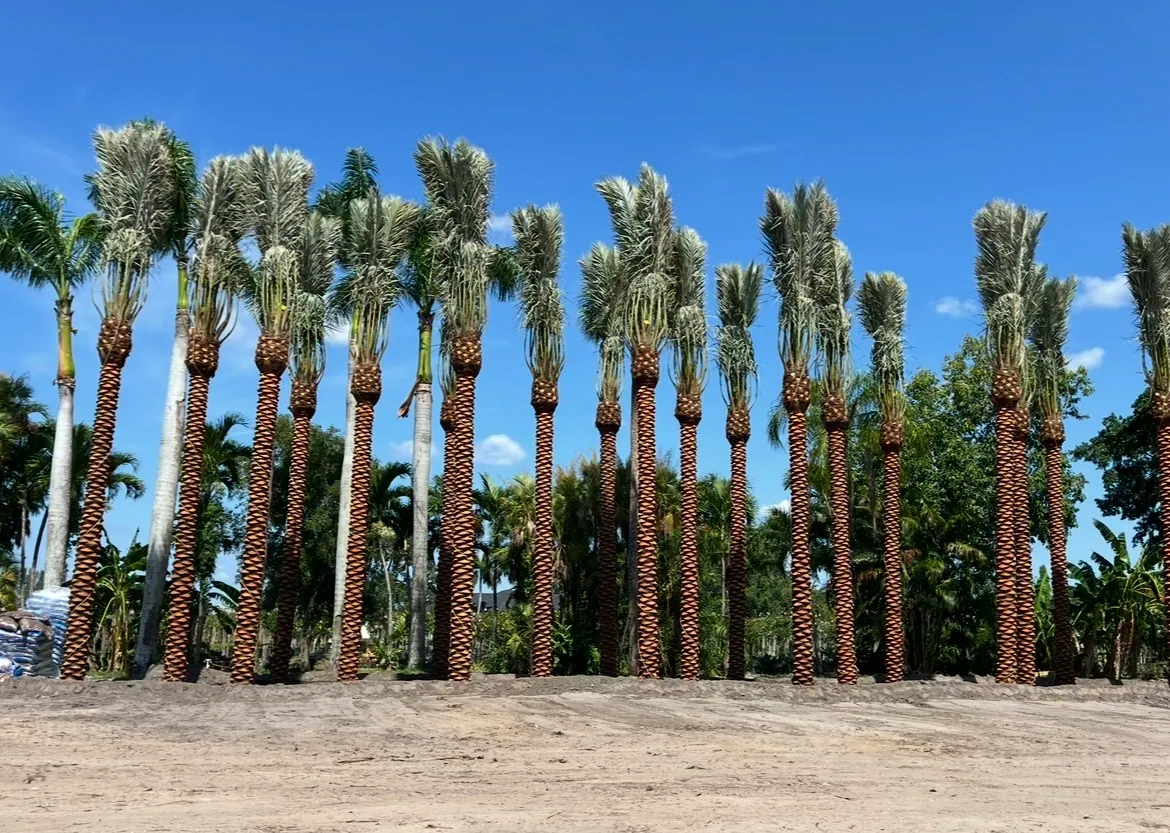
Medjool, Sylvester, Zahidi, and other specimen palms for Palm City, Stuart, and the Treasure Coast: species guidance, grower sourcing, logistics, and establishment handled as one scope.
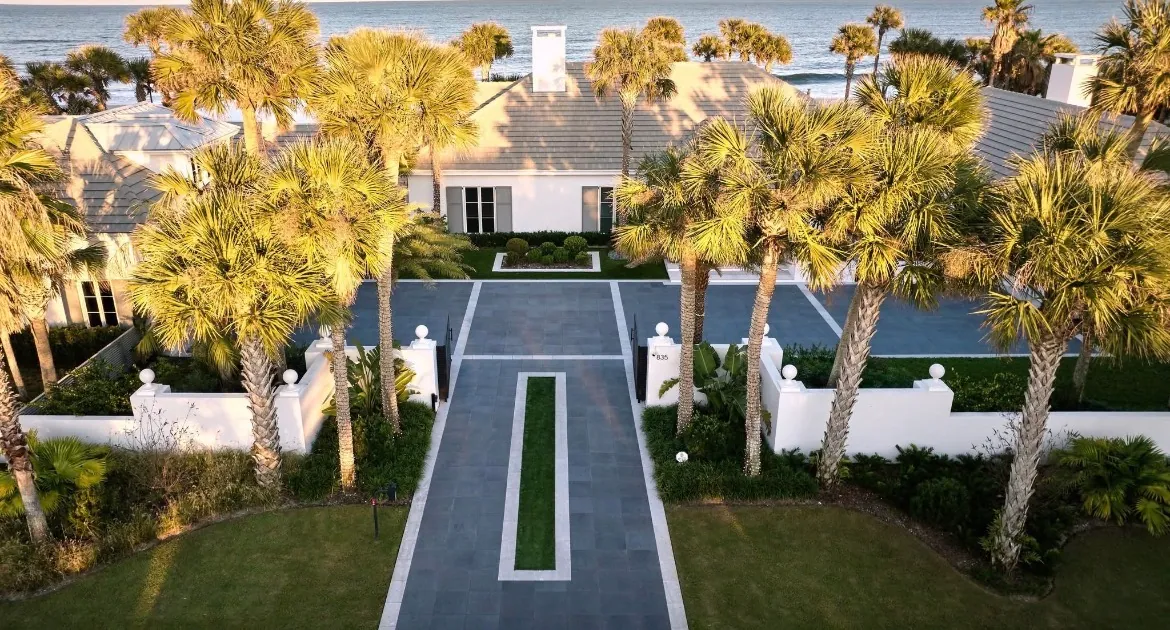
Landscape Design
Site-specific landscape design built around your Palm City or Treasure Coast property: grades, drainage, sun, sightlines, and the way you actually use the yard, drafted into one plan.
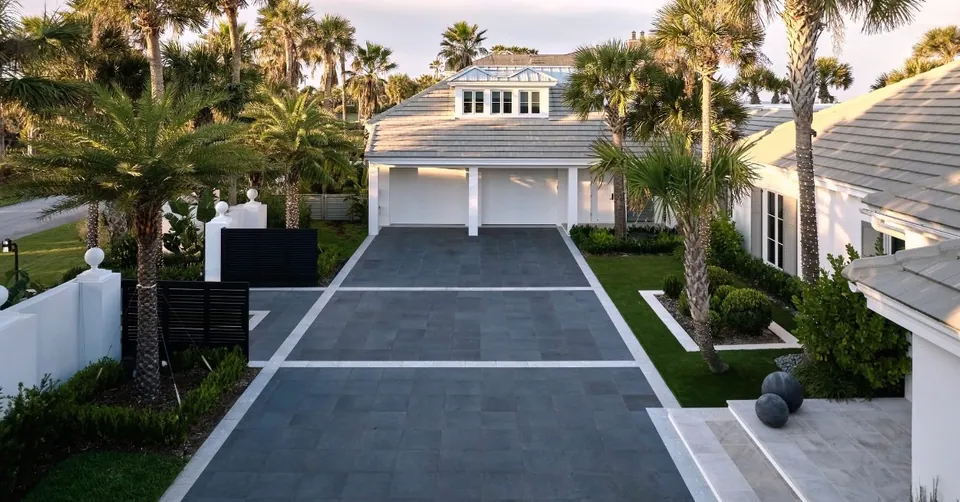
Pavers
Paver driveways, patios, walkways, and pool decks across Palm City and the Treasure Coast: built on a properly compacted base with correct edge restraint, not cosmetic shortcuts.
Get Estimate
Ready to scope your landscape lighting & outdoor audio project?
Share a few details and we'll follow up to walk the property and put together a clear plan.